

Choosing Durable Garden Benches UK: A Guide to Solid Wood Garden Benches
- The Lake District Shelving Company

- Feb 23
- 4 min read
When it comes to adding charm and comfort to your outdoor space, a garden bench is a perfect choice. But not all benches are created equal. Choosing a durable garden bench is essential if you want a piece that lasts through seasons and years. I’ve learned that solid wood garden benches offer a unique blend of beauty, strength, and sustainability. In this post, I’ll share practical tips and insights to help you pick the best bench for your garden or outdoor area.
Why Durable Garden Benches UK Matter
Durable garden benches UK are more than just furniture. They are an investment in your outdoor living space. A sturdy bench withstands weather changes, resists wear and tear, and keeps looking good with minimal upkeep. When you choose a durable bench, you avoid frequent replacements and save money in the long run.
Durability also means safety. A well-built bench supports weight without wobbling or breaking. This is especially important if you plan to use it often or have guests. Plus, durable benches often come with timeless designs that enhance your garden’s aesthetic for years.
If you want a bench that combines rustic charm with lasting quality, focusing on durability is key. This means looking at the materials, construction, and finish carefully before buying.

Durable garden benches add charm and function to any outdoor space.
What is the Best Wood for a Garden Bench?
Choosing the right wood is the foundation of a durable garden bench. Some woods naturally resist rot, insects, and weather better than others. Here are some of the best options:
Teak: Known for its natural oils, teak is highly resistant to water and decay. It ages beautifully, turning a soft silver-grey if left untreated. Teak benches are often pricier but worth the investment for durability.
Oak: A classic choice, oak is strong and dense. It handles outdoor conditions well, especially if treated with a protective finish. Oak has a warm, rich colour that suits rustic and traditional gardens.
Cedar: Cedar is lightweight and naturally resistant to insects and rot. It has a pleasant aroma and a reddish hue. Cedar benches need regular maintenance to keep their colour and durability.
Acacia: This hardwood is affordable and durable. It has a smooth finish and rich colour. Acacia benches are a popular choice for those seeking a balance between cost and quality.
Iroko: Sometimes called African teak, iroko is tough and weather-resistant. It’s a good alternative to teak with similar durability but often at a lower price.
When selecting wood, consider your climate and how much maintenance you’re willing to do. Some woods need oiling or sealing yearly, while others can be left to weather naturally.

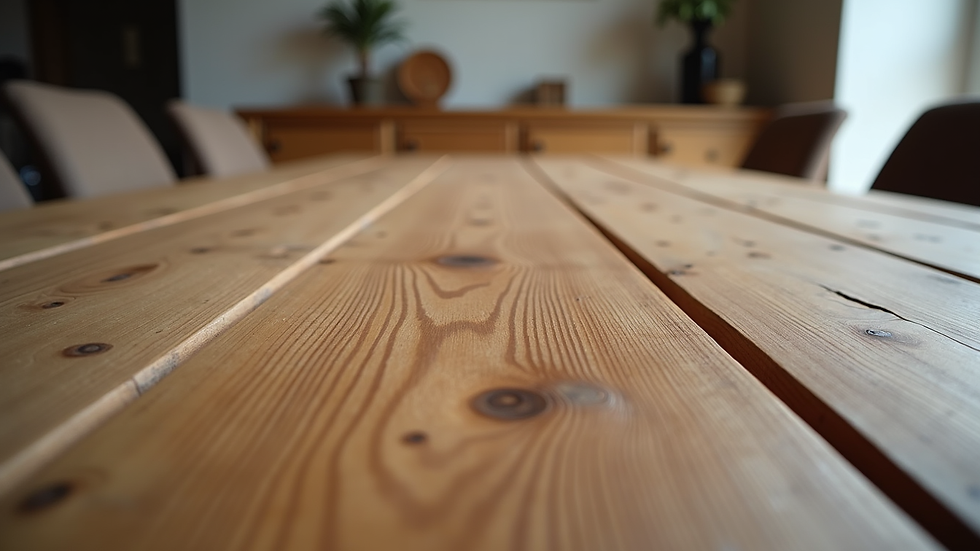
Close-up of oak wood grain highlights the natural beauty and strength of the material.
How to Spot Quality Craftsmanship in Garden Benches
Durability is not just about the wood type. The way a bench is made plays a huge role in how long it lasts. Here are some tips to spot quality craftsmanship:
Joinery: Look for benches with strong joints like mortise and tenon or dowel joints. Avoid benches held together only by screws or nails, as these can loosen over time.
Finish: A good finish protects the wood from moisture and UV damage. Check if the bench has been treated with weatherproof oils, stains, or sealants.
Design: Simple, sturdy designs often last longer. Avoid overly intricate benches with thin parts that can break easily.
Weight: Heavier benches usually mean solid wood and better build quality. Lightweight benches might be made from cheaper materials or hollow parts.
Warranty: A manufacturer’s warranty or guarantee can indicate confidence in the product’s durability.
When possible, buy from local craftsmen or companies that specialise in handcrafted wooden furniture. They often use better materials and pay attention to detail.
Caring for Your Solid Wood Garden Bench
Even the best solid wood garden bench needs care to stay durable. Here are some simple maintenance tips:
Clean regularly: Use a soft brush or cloth to remove dirt and debris. Avoid harsh chemicals that can damage the wood.
Apply protective oil or sealant: Depending on the wood type, apply teak oil, linseed oil, or a suitable wood sealant once or twice a year.
Cover or store in winter: Protect your bench from harsh winter weather by covering it or moving it to a sheltered spot.
Check for damage: Inspect joints and surfaces regularly. Tighten screws and fix small cracks before they worsen.
Avoid standing water: Place your bench on a dry, level surface to prevent water pooling around the legs.
With proper care, your bench will remain a beautiful and functional part of your garden for many years.
Where to Find a Solid Wood Garden Bench UK
If you’re looking for a solid wood garden bench UK, it’s best to choose a supplier who values quality and sustainability. The Lake District Furniture Company offers handcrafted benches made from responsibly sourced wood. Their pieces combine rustic charm with durability, perfect for anyone wanting to enhance their outdoor space with unique, eco-friendly furniture.
Buying locally made furniture supports artisans and reduces environmental impact. Plus, you get a bench that reflects the character of the region and stands the test of time.
Choosing a durable garden bench is about more than just picking a pretty seat. It’s about investing in quality materials, craftsmanship, and care. With the right bench, you create a welcoming spot to relax and enjoy your garden for years to come. Whether you prefer the rich tones of oak or the timeless appeal of teak, a solid wood garden bench is a beautiful, sustainable choice that adds value and comfort to your outdoor space.


Comments